Rising theft at the self-checkout
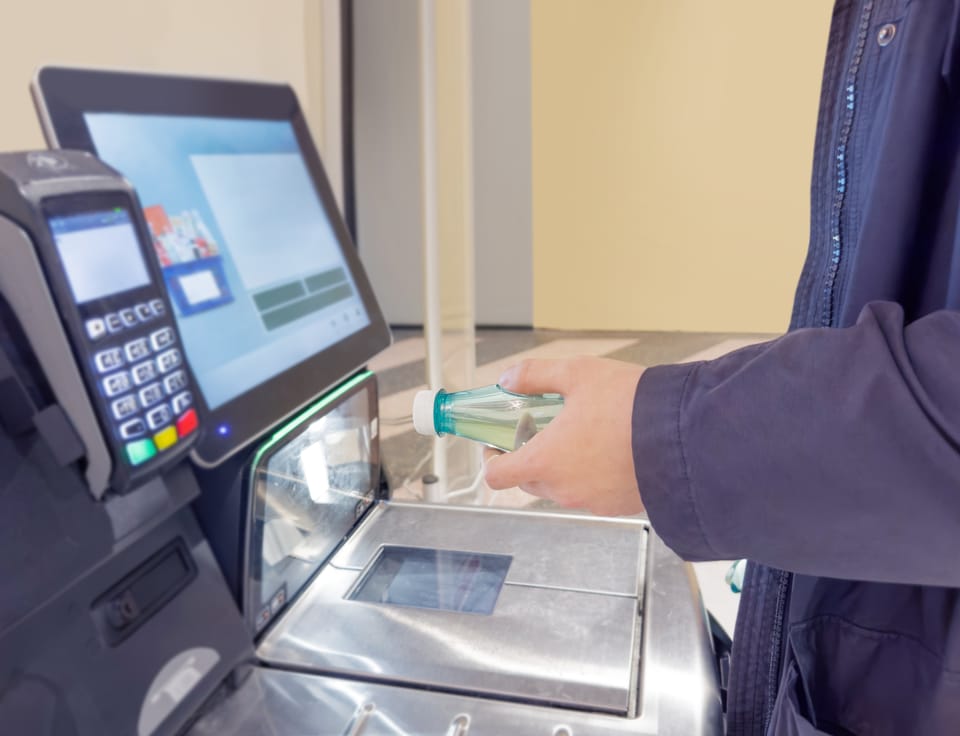
Self-checkout lanes have revolutionized retail, offering speed and convenience for shoppers while helping chains reduce labor costs. Yet, this innovation has come with a hidden cost: a dramatic surge in theft and shoplifting incidents. Recent surveys reveal that more than one in four self-checkout users admit to stealing, a trend that is reshaping how retailers think about store security and customer experience.
Worrying trends
The scale of self-checkout theft is staggering. According to a LendingTree survey, 27% of Americans who use self-checkout have intentionally taken an item without scanning it—up from 15% in 2023. Millennials (41%) and Gen Z adults (37%) are the most likely to admit to stealing at self-checkout, while men are more than twice as likely as women to do so. The problem isn’t limited to the U.S.; similar trends are reported globally, with retailers in Australia and the UK also grappling with relentless shoplifting and daily losses.
Self-checkout lanes, often monitored by just one employee for several registers, create opportunities for theft. The lack of oversight, combined with the anonymity of the process, makes it easier for shoppers to slip items past the scanner—sometimes intentionally, sometimes by accident.
Contributing factors
Several factors are fueling the rise in shoplifting at self-checkouts:
- Economic pressure: Nearly half of survey respondents cite unaffordable essentials and rising prices—often tied to inflation and tariffs—as their main motivation for stealing. Economic hardship and stagnating wages have pushed more individuals toward desperate measures, especially for necessities.
- Changing attitudes: Younger shoppers are more likely to rationalize theft, viewing it as compensation for “unpaid work” at self-checkout or as justified due to high prices. About a third of those who have stolen say they don’t feel remorseful.
- Technological and social shifts: The depersonalization of payment—stealing from a faceless corporation rather than an individual—lowers psychological barriers. Organized retail crime groups also exploit self-checkout systems, using sophisticated tactics to evade detection.
- Operational vulnerabilities: Self-checkout systems are prone to user errors, barcode swaps, and accidental omissions, all contributing to higher shrink rates compared to traditional cashier lanes.
Financial implications for retail chains
The financial impact of self-checkout theft is severe:
- Inventory shrinkage: Self-checkout lanes experience shrink rates of 3.5–4%, compared to just 0.21% at staffed registers—up to 16 times higher.
- Annual losses: Retailers lose an estimated $4.9 billion annually due to self-checkout theft in the U.S. alone. Overall retail theft losses may reach $115 billion by the end of 2025.
- Operational costs: Stores with predominantly self-checkout stations see a 7% higher loss rate and an 8% increase in operational costs related to theft prevention measures.
- Insurance and price increases: Theft-related claims at self-checkout locations cost retailers an estimated $600 million annually in insurance claims, and the cost of theft has led to an average increase of 3.5% in product prices.
Major chains like Walmart, Target, and Aldi have responded by reducing or reconfiguring self-checkout offerings, imposing item limits, or removing kiosks altogether.
SAI Group’s visual AI platform for retailers
As retailers seek to balance convenience with security, advanced technologies like SAI Group’s visual AI platform are emerging as game-changers. SAI Group leverages existing CCTV infrastructure, transforming it into an active loss prevention system that uses real-time image and video analytics to detect suspicious behaviors and prevent theft.
Key benefits
- Real-time alerts: The platform identifies shoplifting hotspots, tracks suspicious behaviors, and sends instant alerts to store personnel, enabling rapid intervention.
- Proactive crime deterrence: By recognizing patterns such as repeated visits to specific aisles or concealment of items, SAI’s AI helps deter both opportunistic and organized theft.
- Seamless integration: SAI’s technology integrates with existing store operations, minimizing friction and allowing retailers to scale self-checkout solutions confidently across their networks.
- Enhanced safety: The platform also detects incidents of aggression and violence, protecting both staff and customers.
The rise in self-checkout theft is a complex challenge driven by economic pressures, shifting attitudes, and operational vulnerabilities. The financial toll on retail chains is significant, prompting many to rethink their approach to self-service technology. SAI Group’s visual AI platform offers a robust solution, enabling retailers to proactively address theft, protect profits, and ensure a safe shopping environment. With intelligent, scalable technology, retail chains can confidently roll out more self-checkouts—turning a vulnerability into a strategic advantage.
Learn more about how SAI Group’s visual AI platform can transform your retail operations and safeguard your bottom line.
About SAI
As a leader in computer vision technology, SAI Group delivers cutting-edge, multi-modal AI solutions into retail environments. Using a unique platform approach, its technology uses existing camera systems to target losses, increase store safety, and underpin operational efficiencies.
All solutions are built from the ground up to ensure the highest levels of security and data protection, respecting the privacy expectations of the public and operating to stringent ethical standards while delivering substantial value to our clients. Globally, SAI monitors millions of transactions per day, protecting the revenues from tens of millions of product sales and hundreds of millions of customer interactions. Its models also accurately identify anti-social behaviour, aggression and violence, helping to de-escalate situations with real-time interfaces to security officers and operations centres.